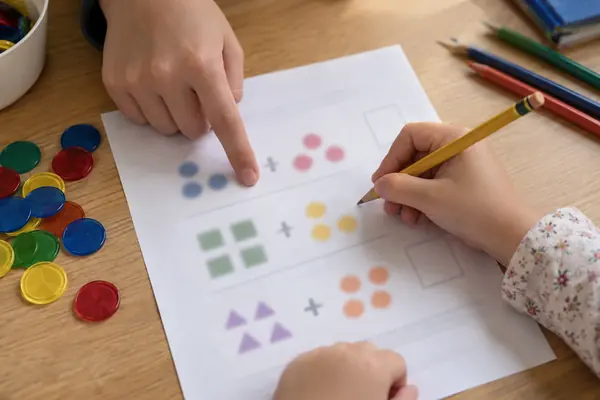
PEER TUTORING
Both sides gain
Across 145 studies, peer tutoring added about six months' progress in a year on average, for tutors as well as tutees.
See the numbers kidspairup
00WHAT THE CLASSROOM EVIDENCE SAYS

Children can teach each other.
In peer tutoring, pupils work in pairs or small groups and take on part of the teaching. The UK's Education Endowment Foundation rates it high impact for very low cost, but only when the pairing and the task are planned with care.
Check a pairing01Principles
02THE SHORT ANSWER
Pairing pupils is cheap.
Making the pairs work takes training and structure.
PEER TUTORING
Across 145 studies, peer tutoring added about six months' progress in a year on average, for tutors as well as tutees.
See the numbersWHAT TO PRACTISE
The EEF finds peer tutoring most effective for reviewing or consolidating learning, rather than introducing new material.
Check a pairingGROUP WORK
For collaborative tasks, groups of 3 to 5 pupils with a shared goal did best, with smaller gains for paired work.
Making pairs work03A QUICK PAIRING CHECK
Pick a set-up to see what the Education Endowment Foundation's evidence reviews say about it. The bar shows how well the evidence supports it.
Based on the EEF Teaching and Learning Toolkit (peer tutoring and collaborative learning). Averages from research; every class is different.
04TWO NUMBERS WORTH KNOWING
One figure from 145 studies,
one from a single large UK trial.
+6 months
Average extra progress in a year
Across 145 studies, rated high for evidence security. The average was +7 months for secondary pupils and +5 for primary, with low-attaining pupils gaining more.
PEER TUTORING · EEF TOOLKIT
−1 month
Result in a 2,736-pupil trial
A paired reading programme in which Year 9 pupils tutored Year 7 pupils for 20 minutes a week over 16 weeks showed no gain over usual teaching in an independent randomised trial.
PAIRED READING TRIAL · EEF
The EEF notes that many peer tutoring studies were not independently evaluated, and that evaluations run by organisations connected with an approach typically report larger impacts.
05FOUR THINGS THAT HELP
These are the conditions the EEF links with successful peer tutoring, plus one simple trick from memory research.
Plan sessions around what pupils already know, with clear steps rather than an open chat.
Show tutors how to model, give feedback, spot common misconceptions and check progress.
In cross-age tutoring, pairs tend to work better when they are not matched by attainment.
In a 2014 study, students who expected to teach a passage recalled more of it, and organised it better, than students expecting a test.

06PAIRS OR GROUPS?
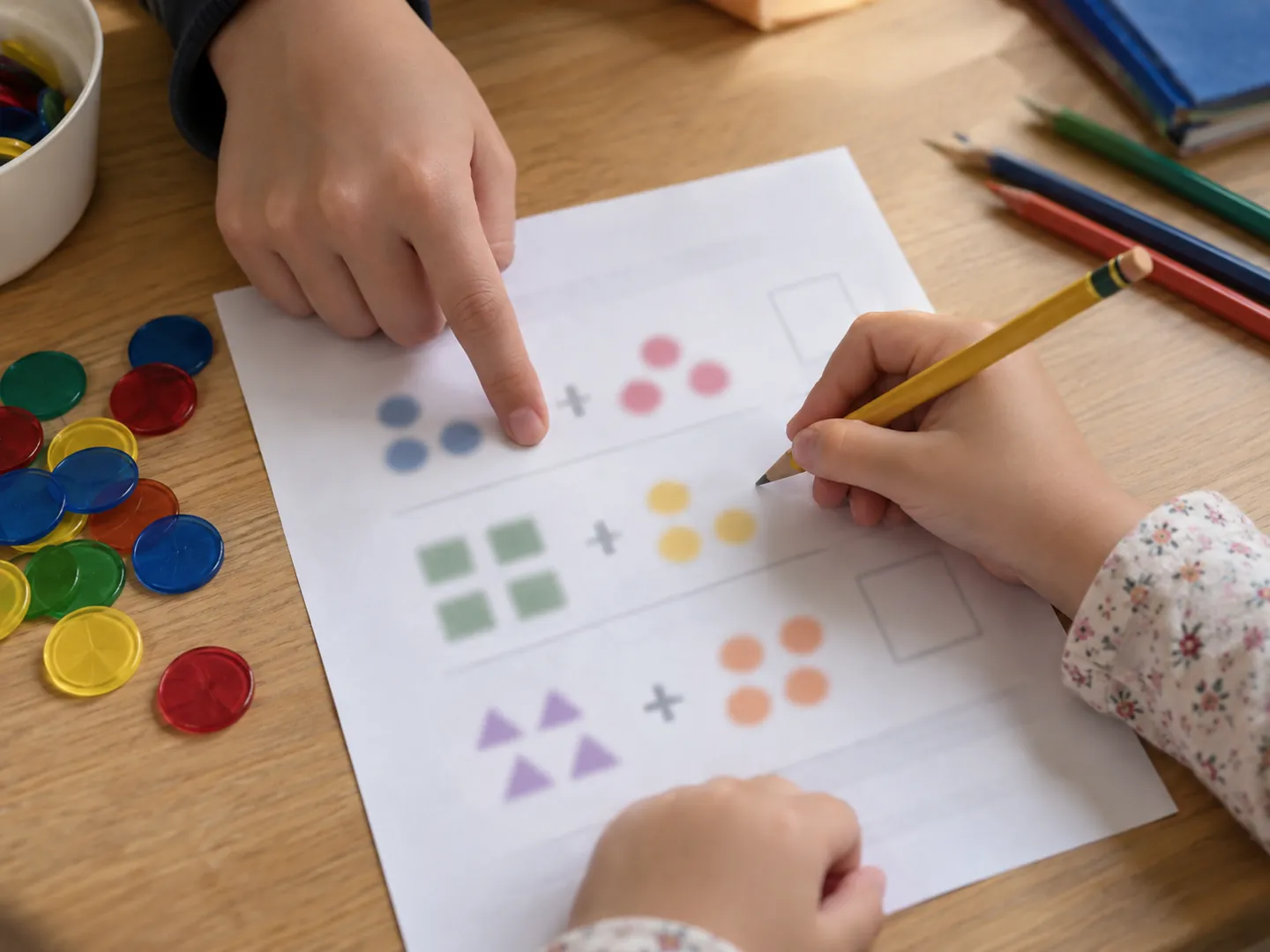
Collaborative learning, where pupils work together on a shared task, adds about five months' progress on average. The EEF finds groups of 3 to 5 most effective, with smaller positive impacts for pairs and for groups larger than five.
Pupils need support and practice to work together, the EEF says: it does not happen automatically. Competition between groups can help, but too much of it shifts the focus to winning rather than learning.
07Questions
Approaches in which learners work in pairs or small groups and give each other explicit teaching support. It includes cross-age tutoring, same-age tutoring with fixed roles, and reciprocal tutoring where pupils swap roles.
Yes. The EEF says peer tutoring has a positive impact on both tutors and tutees on average, and may also boost confidence and motivation.
The EEF reports that low-attaining pupils and those with special educational needs tend to make the biggest gains, especially in the role of tutee.
Not quite. In peer tutoring one pupil takes on a teaching role. In collaborative learning pupils work together on a shared task, and the EEF finds groups of 3 to 5 work best.
No. One independent trial of a paired reading programme with 2,736 pupils found no gain. Results depend on training, structure and how the pairs are chosen.
08Sources
ABOUT THIS NAME
kidspairup.com is part of the DoodleSale portfolio. It isn't in an auction right now, but you can ask about leasing it.